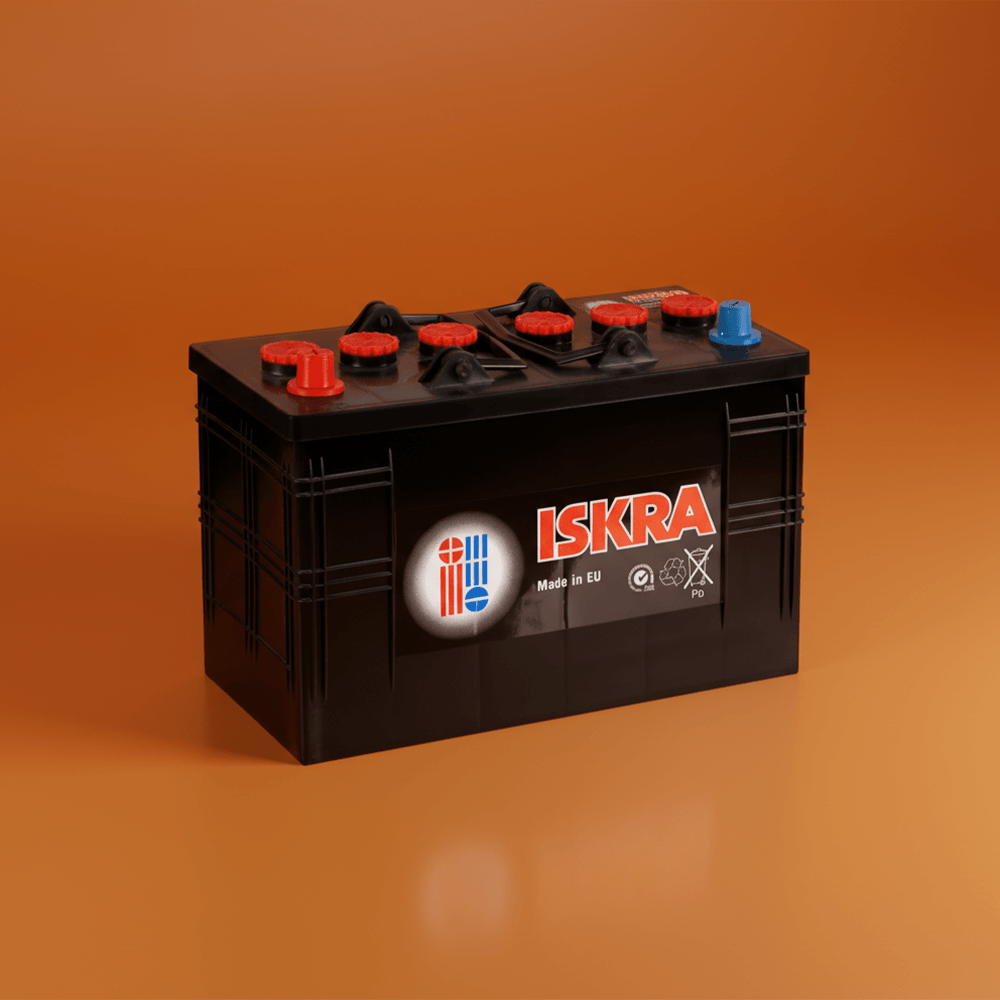
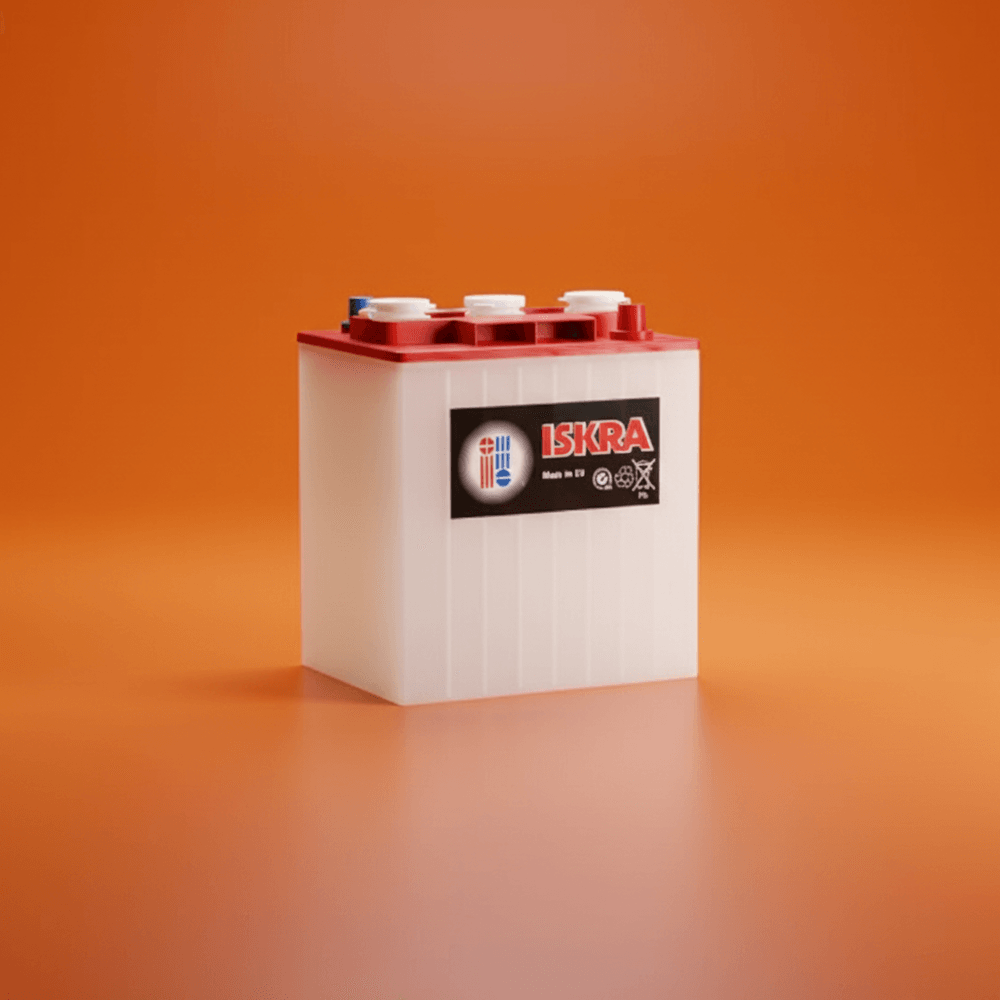
Batteries for forklifts – before we buy

Forklift batteries are the heart of the machine and determine its efficiency and durability. Choosing the right battery is critically important both for safety and for maintenance costs. Before making a purchase decision, it is useful to know which factors influence the quality and performance of the battery.

Forklift batteries – what we need to know about them

Purchasing a forklift battery is not simply choosing between a few models. It is an investment that can directly affect the machine’s performance, energy costs and the overall efficiency of the warehouse or production unit. This is why it is important to consider the technical specifications, operating conditions and maintenance possibilities.

Main types of batteries

The most commonly used are lead-acid and lithium-ion batteries. Lead-acid batteries are more affordable, but require regular maintenance and have a shorter lifespan. Lithium-ion batteries are more expensive, but offer higher efficiency, faster charging and less need for servicing. The choice depends on the intensity of operation and the available budget.

Criteria for choosing a battery

  • Capacity and voltage – they must correspond to the requirements of the forklift
  • Charging time – how quickly the battery recovers for the next cycle
  • Lifespan and number of charge/discharge cycles
  • Maintenance needs and servicing conditions
  • Warranty and availability of a service network

Table of advantages and disadvantages

Battery type Advantages Disadvantages
Lead-acid Lower price, widely used Heavier, requires maintenance, slower charging
Lithium-ion Fast charging, long lifespan, lighter Higher initial cost

Battery maintenance

Proper maintenance extends the battery’s lifespan and prevents costly repairs. For lead‑acid batteries, regular topping up with distilled water and cleaning of the terminals is mandatory. Lithium‑ion batteries are easier to maintain, but require appropriate storage and regular software monitoring.

Efficiency and costs

When calculating costs, it is important to consider not only the purchase price but also the long‑term savings. Lithium‑ion batteries often prove more cost‑effective because they withstand more cycles and have lower operating expenses. It is essential to calculate the total cost of ownership, not just the initial investment.

Tips when buying

Before purchasing, always compare offers from different suppliers and check the brand’s reputation. Make sure the battery is compatible with the specific forklift model and that you have access to service and spare parts. Look for warranty terms and after‑sales support conditions.

Safety during operation

Working with forklift batteries requires attention to safety. Use personal protective equipment during servicing and never allow the battery to overcharge or fully discharge. Proper charging and temperature control reduce the risk of damage and extend the battery’s lifespan.

When to replace the battery

Signs such as shorter operating time, slower charging and reduced power indicate that the battery is nearing the end of its lifespan. In such cases, timely replacement is more cost‑effective than expensive repairs and unexpected downtime in the workflow.

Forklift batteries require careful selection, as they directly affect the machine’s efficiency and the productivity of the business. The right balance between price, durability and maintenance will save you money and ensure more reliable operation of your forklifts. Approach the decision informed and invest in a solution that will serve you well for a long time.

POLYBET EXPORT
Privacy Overview

This website uses cookies so that we can provide you with the best user experience possible. Cookie information is stored in your browser and performs functions such as recognising you when you return to our website and helping our team to understand which sections of the website you find most interesting and useful.