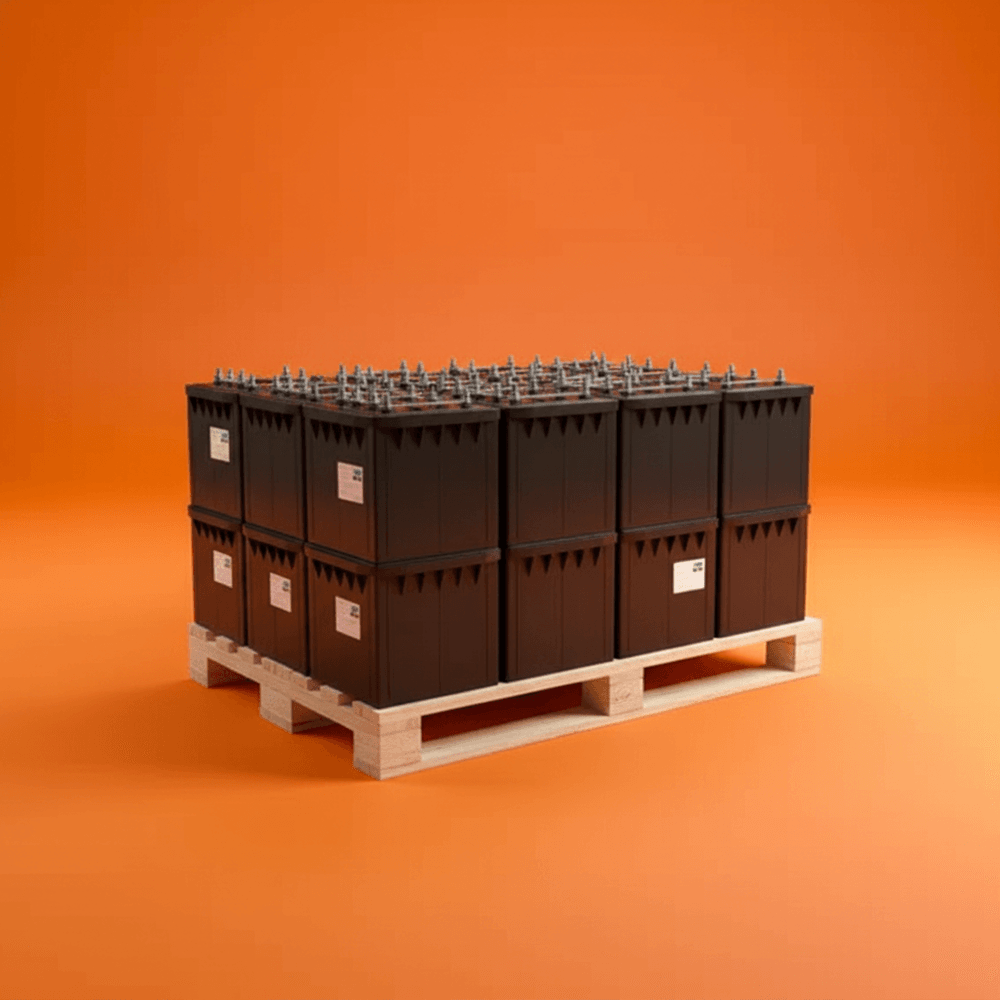
Locomotive batteries – types and maintenance

Locomotive batteries are the main source of electrical energy for diesel and electric locomotives. Locomotive batteries provide engine starting, power the lighting systems, communication devices and electronic control units. Without a reliable battery, railway equipment cannot operate safely, and failures can lead to serious delays and financial losses. Under conditions of intensive traffic and harsh weather, batteries play a key role in ensuring the stable operation of railway transport.

Types of locomotive batteries

Lead-acid batteries are the most common type, used for decades. They are affordable, reliable and suitable for classic locomotives, but require regular maintenance – monitoring the electrolyte level, topping up with distilled water and cleaning the terminals. Alkaline batteries are more resistant to deep discharges and temperature fluctuations, suitable for locomotives operating under intensive load. Gel batteries are a modern solution – sealed, maintenance-free and resistant to vibrations. AGM batteries are high-tech, with high energy density and fast charging, but they are also the most expensive.

Technical specifications and selection

When choosing a locomotive battery, several key parameters must be taken into account. The capacity, measured in ampere-hours, determines how long the battery can supply current – typically from 200 to 800 Ah. The nominal voltage is usually 24V or 48V, but heavy locomotives also use 72V systems. The starting current is critically important – diesel locomotives require powerful starting currents, often above 1000 amperes. The temperature range must be wide – high-quality batteries withstand from -30°C to +50°C. The type of electrolyte is also important – gel and AGM models are maintenance-free, unlike lead-acid batteries.

Comparison of the main types

Battery type Advantages Disadvantages
Lead-acid Reliable, inexpensive, easily accessible Requires regular maintenance and topping up
Alkaline Long lifespan, resistant to deep discharges More expensive and heavier
Gel Maintenance-free, vibration-resistant Lower starting current, slower charging
AGM High energy density, fast charging Highest price

Maintenance of locomotive batteries

Maintenance is crucial for extending the lifespan of the batteries. Check the electrolyte level in lead-acid models at least once a month. Cleaning the terminals and removing oxidation is essential. Cables should be inspected for damage, and voltage and capacity measured with professional instruments. Use chargers with automatic shut-off and stable current to prevent overcharging. Full discharge should be avoided.

Charging and suitable chargers

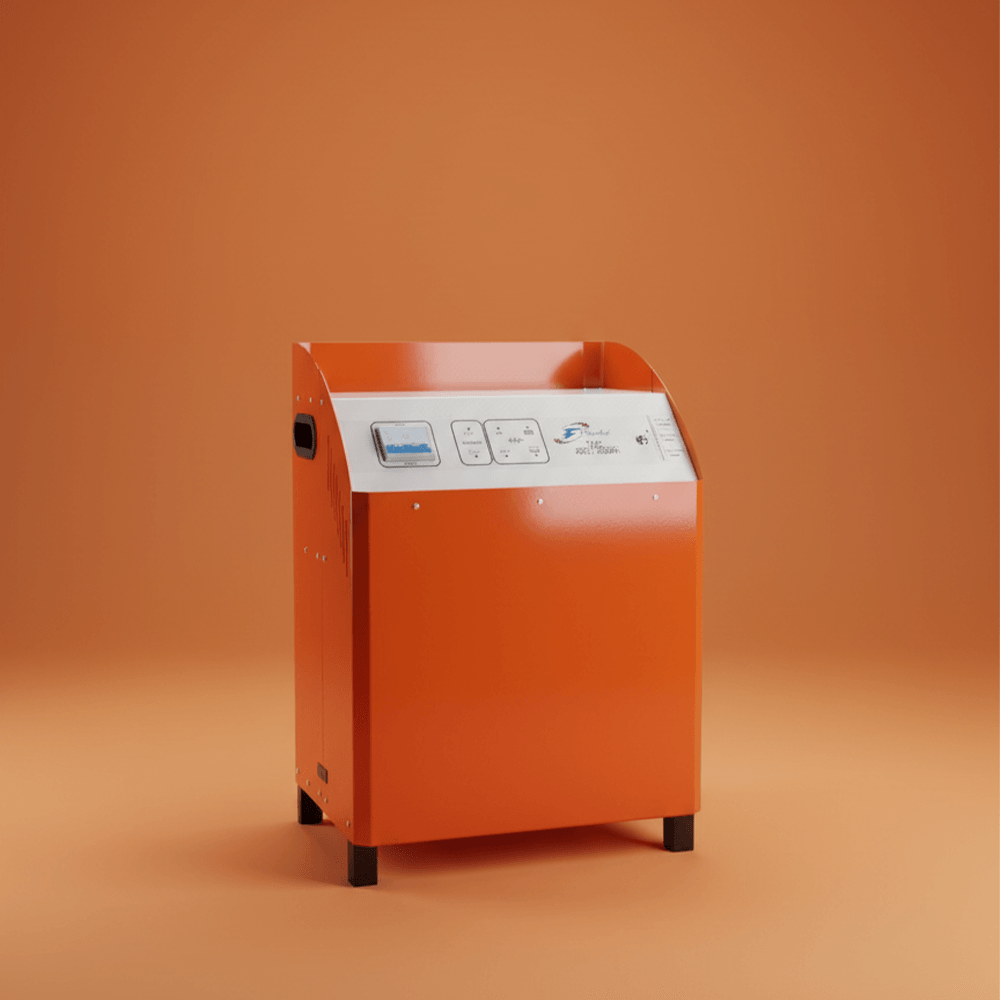
For locomotive batteries, transformer or pulse chargers are recommended, as they maintain optimal voltage and include overcharge protection. Automatic models with a shut-off function after full charge extend battery life and increase safety. A high-quality charger is an investment that reduces the risk of failures and optimises long-term costs.

Innovations and new technologies

AGM and gel batteries are increasingly used in modern locomotives because they require no maintenance and are resistant to vibrations and extreme temperatures. New models include sensors for cell condition and remote monitoring capabilities, which facilitate preventive maintenance and prevent costly failures.

Energy efficiency and economic benefits

Investing in high-quality batteries and professional chargers reduces replacement frequency and ensures fewer interruptions. Reliable batteries help optimise costs and increase the efficiency of railway transport.

Practical tips and examples

Always use chargers recommended by the battery manufacturer. Do not leave batteries fully discharged for a long period. Perform preventive inspections even when the locomotive is used less frequently. Store batteries in dry, controlled environments when removed. In Russia, alkaline and AGM batteries are preferred due to their resistance to low temperatures and long operating cycles, while in Europe gel batteries are widely used in shunting locomotives.

Locomotive batteries are a vital component for the safe and efficient operation of railway transport. The right choice, regular maintenance and the use of high‑quality chargers ensure long service life and minimal costs.

POLYBET EXPORT
Privacy Overview

This website uses cookies so that we can provide you with the best user experience possible. Cookie information is stored in your browser and performs functions such as recognising you when you return to our website and helping our team to understand which sections of the website you find most interesting and useful.