Battery chargers

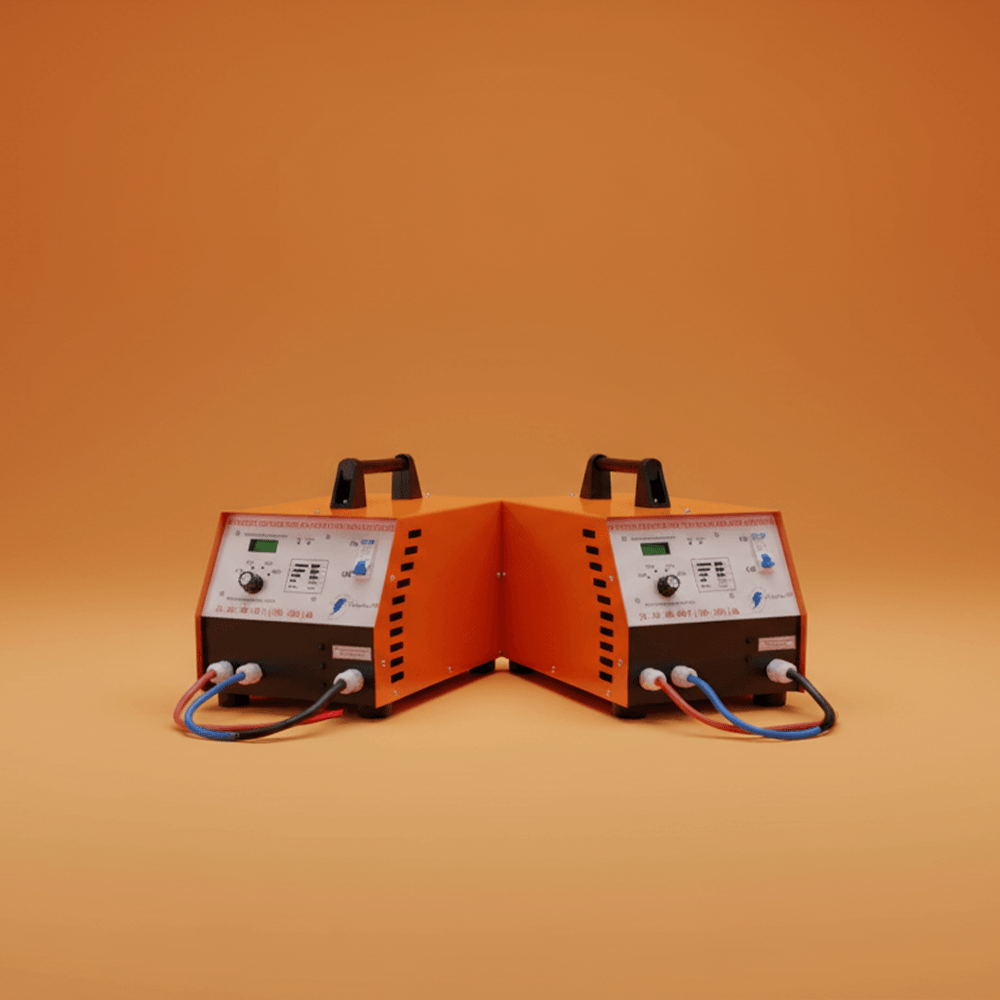
Battery chargers “ElPulsCar” are the result of more than 20 years of research aimed at optimizing the charging process of traction batteries. They are designed for charging lead‑acid batteries used in electric forklifts, stackers, reach trucks, platform carts and other electric transport vehicles. Thanks to durable materials and compliance with fire safety standards, their housings are made of fire‑resistant and flame‑retardant components, ensuring safe operation.

Technology and operating principle

“ElPulsCar” chargers use pulse and reverse charging current. The average current value is determined automatically according to the condition and capacity of the battery. This ensures optimal charging without the risk of overcharging, overheating or excessive gas formation. The battery can be connected for charging at any time, regardless of its discharge level, which extends its service life.

Protections and safety

  • Short‑circuit protection.
  • Input overload protection.
  • Thermal protection for the power components and the transformer.
  • Battery pole protection.
  • Protection against low mains voltage and phase loss.
  • Protection against connection to an unsuitable battery voltage.

Variety of models

In our assortment you will find chargers for:

  • Lead‑acid batteries.
  • Alkaline batteries.
  • Locomotive charging stations.
  • Universal charging stations for different types of batteries.
  • Chargers for starter batteries.

Each model is supplied with detailed operating instructions and a connection diagram, making proper use easier.

Comparison of different chargers

Type of charger Advantages Suitable for
Transformer Durability, stable voltage, suitable for industrial environments Traction batteries for forklifts and stackers
Universal Charges different types of batteries, cost savings Warehouse and transport equipment
Microprocessor‑controlled Intelligent management, optimized consumption Modern batteries and gel batteries

Tips for choosing a charger

When selecting a charger for a lead‑acid or sealed battery, the following factors should be considered:

  • The charging current should not exceed 20% of the battery’s capacity.
  • It is recommended that the device has a low‑current charging mode to minimize plate sulfation.
  • Choose a charger with sufficient reserve so it does not operate at the limit of its capabilities.

Additional advantages of transformer chargers

Transformer chargers are preferred for their durability and reliability. They are suitable for heavy industrial environments, withstand high loads and provide stable voltage throughout the entire charging process. Thanks to the pulse mode, the battery charges faster and more efficiently, reducing machine downtime.

Economic efficiency and long‑term use

Investing in a high‑quality charger significantly reduces battery maintenance costs and extends their service life. Devices with automatic voltage and current regulation prevent premature wear of battery cells and reduce the risk of failures. In the long term, this leads to fewer battery replacements and higher profitability of the equipment.

Maintenance and proper operation

Regular maintenance of chargers is essential for their long‑lasting and safe operation. Clean the ventilation openings, check the condition of the cables and avoid using the devices in rooms with high humidity or dust. Store the chargers in dry and well‑ventilated areas and always follow the instructions in the supplied manual.

Chargers for different types of batteries

Modern chargers are not limited only to lead‑acid batteries. Many of them are designed to support various types of batteries — alkaline, gel and AGM. This is especially important for companies that use diverse warehouse and transport equipment. Universal chargers reduce costs, as they can service several types of batteries with different capacities and voltages.

Impact of proper charging on battery life

Proper charging plays a key role in extending the life of batteries. Incorrectly selected chargers or overly frequent recharging can lead to accelerated plate sulfation and reduced capacity. Therefore, always choose devices with automatic current regulation and the ability to maintain a float‑charging mode during long periods of inactivity.

Selecting the right charger is crucial for the long life and trouble‑free operation of your batteries. Invest in proven high‑quality devices that ensure safety and optimal charging. This guarantees reliable performance of warehouse and transport equipment and reduces long‑term costs.

POLYBET EXPORT
Privacy Overview

This website uses cookies so that we can provide you with the best user experience possible. Cookie information is stored in your browser and performs functions such as recognising you when you return to our website and helping our team to understand which sections of the website you find most interesting and useful.