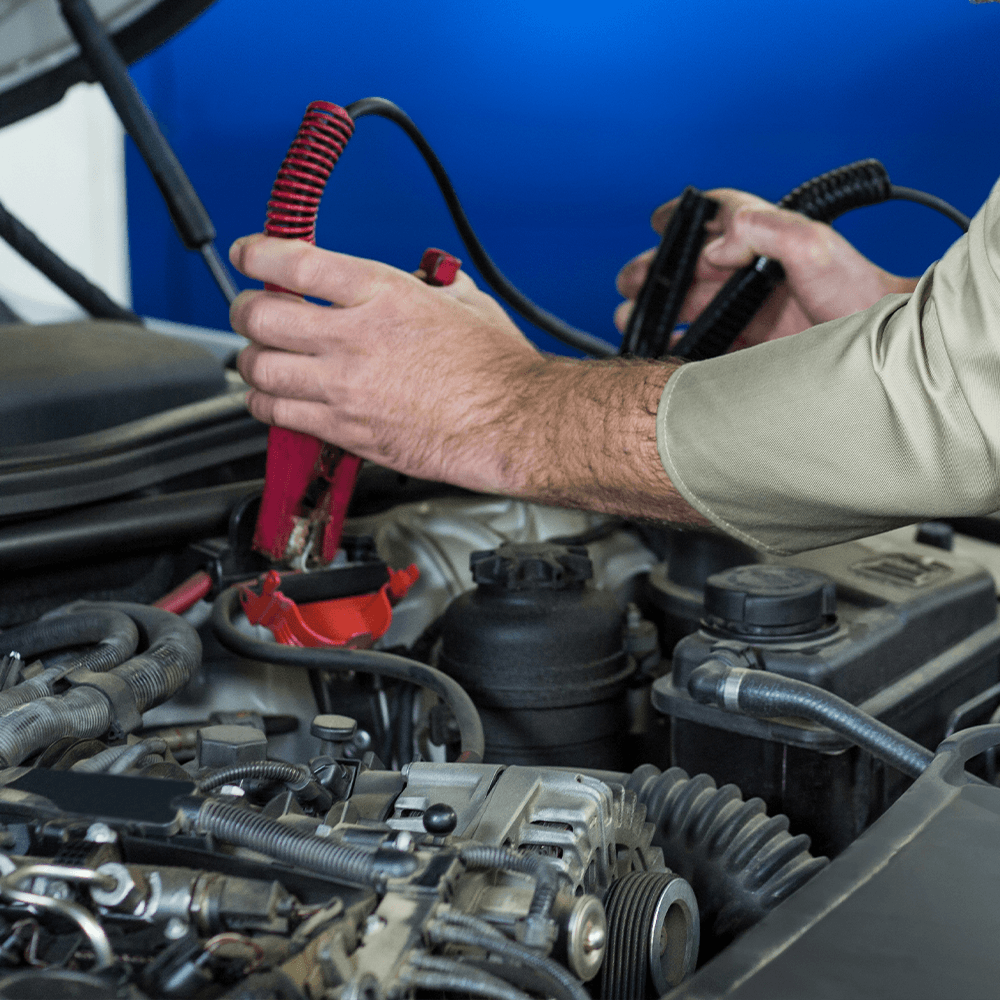
How to properly charge traction batteries

How to properly charge traction batteries: A beginner’s guide

Understand what type of traction batteries you are using

This article will help you learn how to properly charge traction batteries to extend their lifespan. Before you begin charging, it is important to know exactly what type of traction batteries you are using. The most common types in industrial and cleaning equipment are:

  • GEL traction batteries – maintenance‑free, deep‑cycle, suitable for long‑term use
  • AGM traction batteries – vibration‑resistant, fast‑discharging and reliable
  • Lithium traction batteries (LiFePO4) – lightweight, fast‑charging and long‑lasting

Each type requires a different charging mode. Charging with an unsuitable device may damage the traction batteries.

Steps for safe and efficient charging

Follow these steps to extend the lifespan of your traction batteries:

  1. Use a suitable charger: Make sure it matches the type and voltage of the traction batteries (12V, 24V, 48V, etc.).
  2. Charge in a well‑ventilated area: Good ventilation prevents overheating, especially for GEL and AGM traction batteries.
  3. Proper connection: First connect the positive (+) terminal, then the negative (–).
  4. Select the correct mode: Smart chargers have settings for GEL, AGM or lithium traction batteries — choose the correct one.
  5. Monitor the process: Avoid overcharging. Smart chargers usually switch to maintenance mode automatically.

Comparison of charging modes

Type of traction battery Charging voltage Charging current Specific requirements
GEL 13.8 – 14.4V (for 12V) 0.1 – 0.25C Slow charging to avoid gas formation
AGM 14.4 – 14.7V 0.25 – 0.3C Precise voltage control required
Lithium (LiFePO4) 14.2 – 14.6V 0.5C and above Mandatory BMS system and smart charger

Advantages of traction alkaline batteries

Choosing traction alkaline batteries offers numerous benefits:

  • Durability: up to 2000 or more charging cycles
  • Low self‑discharge: especially in nickel‑iron batteries
  • Wide temperature range: operate from -20°C to +50°C
  • Safety: less sensitive to overcharging

Applications and industries

These batteries are widely used across various sectors:

  • In warehouse operations – powering forklifts
  • In renewable energy systems – for buffer energy storage
  • In transport – trams, metro systems, hybrid applications

When to replace traction batteries

If traction batteries charge too quickly, fail to hold a charge, or heat up abnormally during charging, it is likely time for replacement. Prolonged use of worn traction batteries can damage your machine.

How to choose the right traction batteries

Proper charging is essential for the long lifespan of traction batteries, whether they are used in an electric cart, a scrubber machine, or industrial equipment.

Choose reliable solutions from Polybet‑Export – long‑life batteries with proven quality and excellent compatibility for any application.

POLYBET EXPORT
Privacy Overview

This website uses cookies so that we can provide you with the best user experience possible. Cookie information is stored in your browser and performs functions such as recognising you when you return to our website and helping our team to understand which sections of the website you find most interesting and useful.