How do alkaline traction batteries work?

Have you ever wondered what lies behind the durability of electric forklifts, industrial machines, or energy storage systems? The answer often lies in traction alkaline batteries – technologies that provide stable and long-term operation even under the toughest conditions. In this article, you will learn how they function, why they are so reliable, and what makes them a preferred choice in the industry.
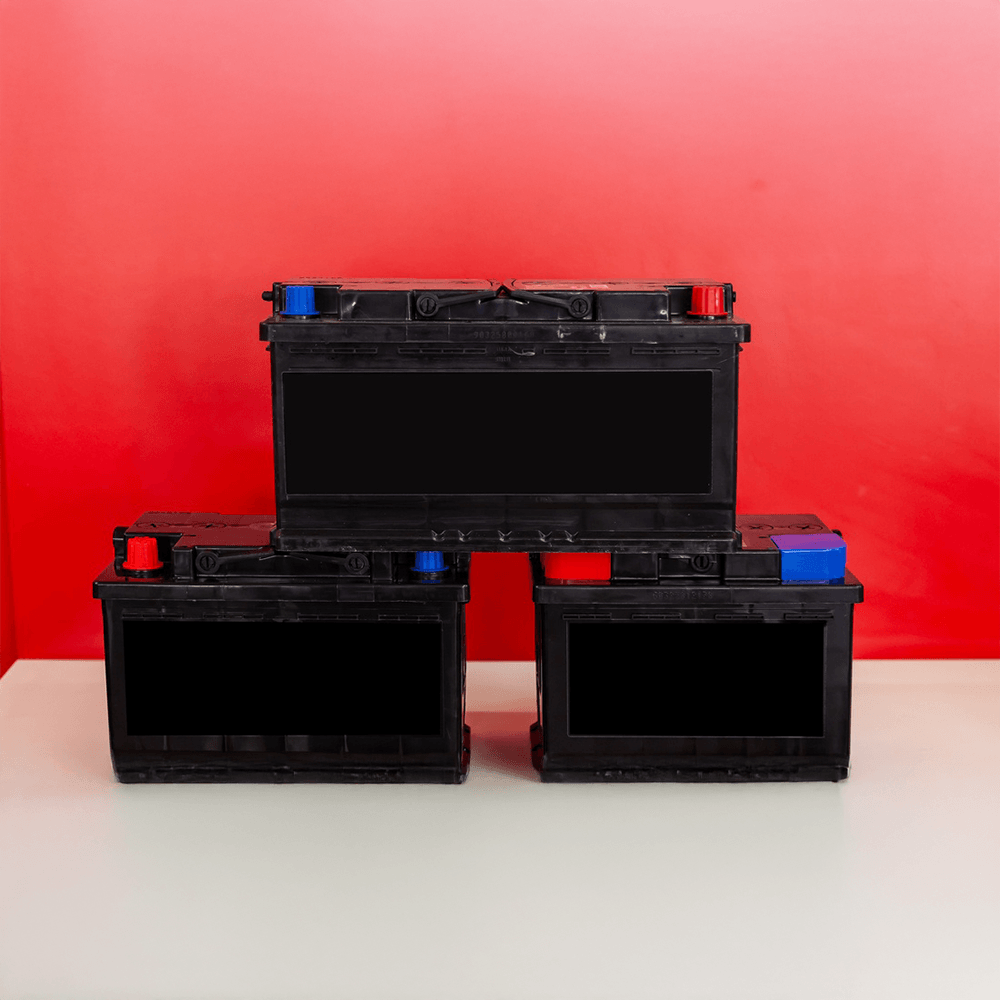
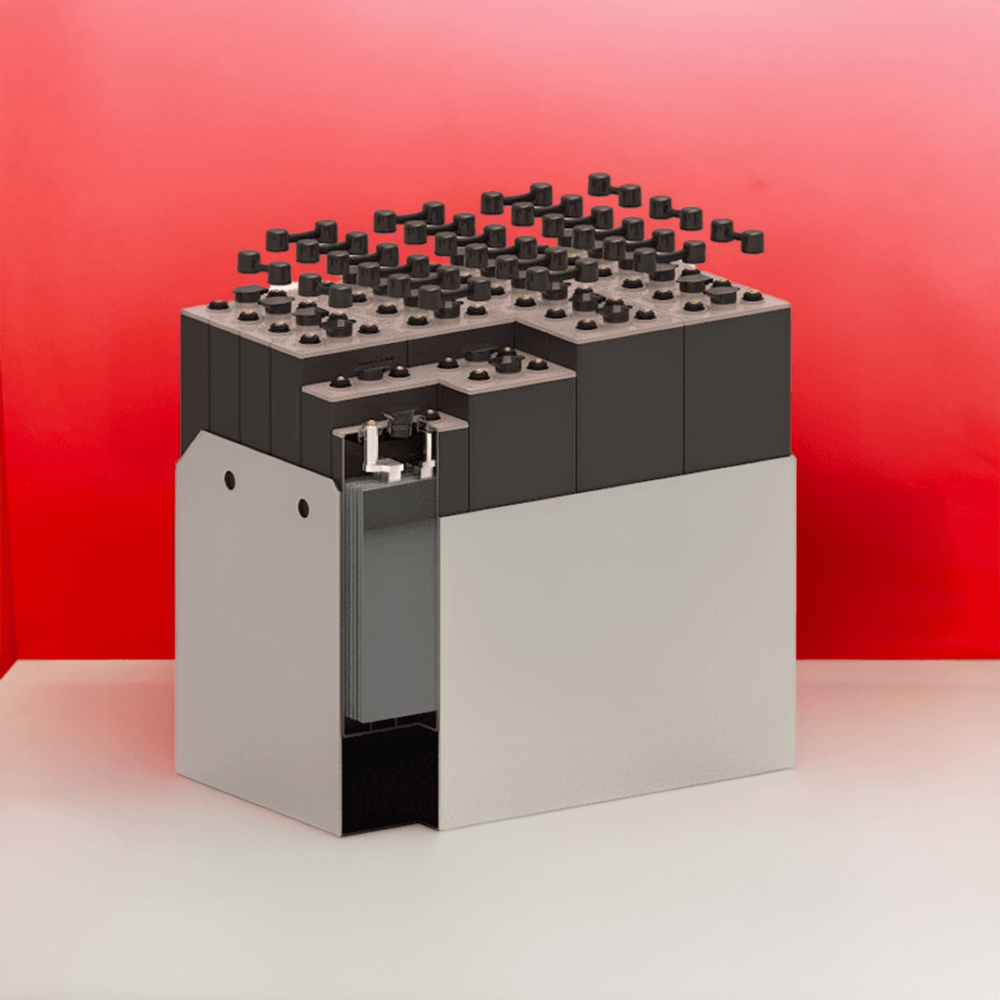
What are alkaline batteries?

Traction alkaline batteries are designed for repeated charging and discharging during deep-cycle operation. They are specifically engineered for applications that require continuous power supply and long-term durability. They are mainly used in:

  • electric forklifts and warehouse equipment
  • trains, trams and mining machinery
  • renewable energy systems

Types of alkaline batteries: Nickel‑cadmium and nickel‑iron

The two most common types of traction alkaline batteries are:

  • Nickel‑cadmium (Ni‑Cd) – they offer high resistance to extreme temperatures and fast charging.
  • Nickel‑iron (Ni‑Fe) – known for their exceptional durability (up to 20 years of service life) and low self‑discharge rate.

Both technologies use an alkaline electrolyte, most commonly potassium hydroxide (KOH), which ensures a long operational lifespan.

Principle of operation and structure

These batteries operate on the basis of reversible electrochemical reactions between the positive (nickel) and negative (cadmium or iron) electrodes. During charging and discharging, the following processes occur:

  • Oxidation and reduction of nickel compounds
  • Exchange of electrons between the electrodes via the alkaline electrolyte

Each cell typically has a voltage of about 1.2 V, and higher voltages are achieved by connecting the cells in series.

Advantages of traction alkaline batteries

Choosing traction alkaline batteries offers numerous benefits:

  • Durability: up to 2,000 or more charge cycles
  • Low self‑discharge: especially in nickel‑iron batteries
  • Wide temperature range: operate from -20°C to +50°C
  • Safety: less sensitive to overcharging

Applications and industries

These batteries are widely used across various sectors:

  • In warehousing operations – powering electric forklifts
  • In renewable energy systems – for buffer storage
  • In transportation – in trams, subways and hybrid systems

Technical comparisons: Ni-Cd vs Ni-Fe

Parameter Ni-Cd Ni-Fe
Cycle life 1500–2000 2000–3000
Maintenance Medium Low
Self‑discharge Moderate Low
Cost Lower Higher
Overcharge resistance High Very high

Care and maintenance

To extend the service life of your alkaline traction batteries, follow these recommendations:

  • Use only appropriate chargers
  • Check the electrolyte regularly
  • Avoid deep discharging below the permissible limits
  • Schedule preventive maintenance at least once a year

Visit Polybet‑Export, where you will find more products and solutions for energy efficiency.

POLYBET EXPORT
Privacy Overview

This website uses cookies so that we can provide you with the best user experience possible. Cookie information is stored in your browser and performs functions such as recognising you when you return to our website and helping our team to understand which sections of the website you find most interesting and useful.